
6 Natural Ways to Keep Hornets and Wasps Away from Your Boston Home
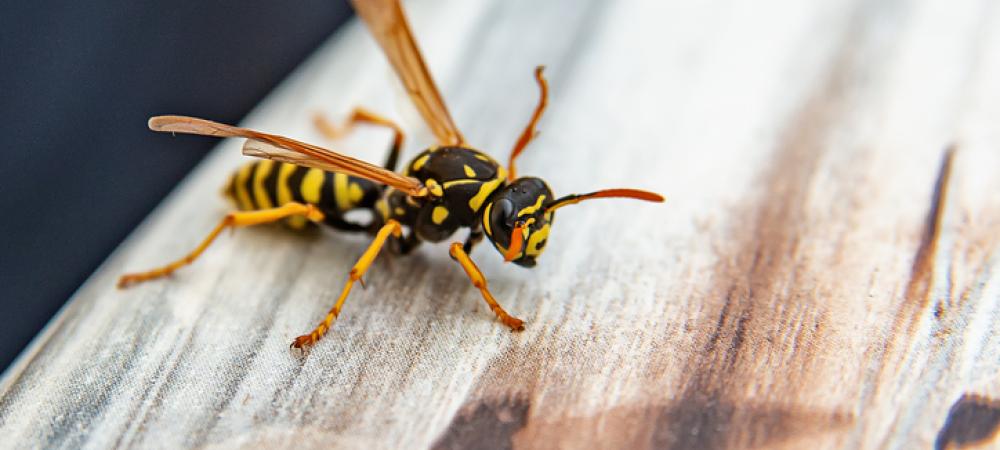
Keeping hornets and wasps away from a Boston-area home comes down to removing what draws them in, closing the gaps they nest in, and dealing with small nests before they become large ones. None of it requires harsh chemicals. All of it works better than the scent tricks that circulate every summer.
Summer in Boston brings hornets and wasps out in force, and they get harder to live with as the season goes on. The six methods below are the ones worth your time, ordered by how much difference they actually make.
How are wasps and hornets different?
Hornets are a type of wasp, not a separate insect. Every hornet is a wasp, in the same way every robin is a bird, so the useful question is which wasp you are dealing with rather than whether it is a wasp or a hornet.
Size is the most reliable difference. Hornets are noticeably larger, running 5/8 to 7/8 of an inch against about a half inch for a common yellow jacket, and they have a heavier, more rounded body. Both are smooth rather than fuzzy, which is what separates either one from a bee.
Temperament does not split along hornet and wasp lines the way people expect. Bald-faced hornets and yellow jackets are the two most defensive stinging insects in eastern Massachusetts and will sting repeatedly to protect a nest. Paper wasps, despite the name, are usually mild unless the nest itself is touched. What predicts aggression is how close you are to the nest, not which of the two words is on the label.
1Take Away Their Food
Removing outdoor food is the single most effective thing a homeowner can do to reduce wasps. Yellow jackets and hornets hunt insect protein in spring and early summer, then switch to sugar in August and September once the colony stops raising young. That shift is why the wasps that ignored you in June are suddenly on your soda can over Labor Day weekend.
Practical steps that matter: cover food and drinks while you are outside, wipe down the grill after cooking, rinse cans and bottles before they go in the recycling, and pick up fallen fruit under trees and berry bushes. Pet food left on a porch counts too.
Hummingbird feeders deserve special mention. Sugar-water feeders are a reliable wasp magnet in late summer, and moving one 30 feet from the patio usually solves a wasp problem people assumed needed a treatment.
2Keep Trash and Recycling Closed and Clean
Open or sticky trash barrels feed an entire wasp colony. A single barrel with residue on the lid and rim can draw steady foraging traffic from a nest a hundred yards away, which is why closing and rinsing barrels changes the wasp situation on a deck faster than almost anything else.
Keep lids latched, rinse barrels a few times over the summer, and store them away from the door people use most. Barrels tucked beside a back step put foraging wasps directly in the path of everyone coming and going.
Compost piles need the same attention. Fruit scraps sitting on top of an open pile are as attractive as an open trash can, so bury food scraps under yard waste or use a closed bin.
3Seal the Gaps Where They Nest
Sealing entry points in spring stops colonies from establishing inside your walls at all, which is the cheapest wasp control that exists. A queen looking for a nest site in April needs a hole the width of a pencil. Yellow jackets and European hornets both readily move into wall voids, soffits, ceiling cavities, and the space behind siding.
Older housing stock across Quincy, Dorchester, Somerville, and the South Shore gives them plenty of options. Worth checking each spring:
- Soffit and fascia joints
- Gaps where utility lines and dryer vents enter the wall
- Torn or missing vent screens
- Loose or lifted siding
- The gap under a bulkhead door
Timing is the whole point. Sealing a gap in April prevents a colony. Sealing the same gap in September traps several thousand wasps inside a wall and pushes them to look for another exit, sometimes into the house. Do this work early or leave it until the colony is gone.
4Switch Your Outdoor Bulbs to Warm or Yellow
Warm-toned outdoor bulbs draw fewer flying insects, which means fewer of the insects that hunting wasps and hornets follow. Bright white and blue-white lights pull in moths, midges, and beetles all night, and a well-lit porch becomes a reliable feeding station.
European hornets, the one true hornet species in Massachusetts, are directly attracted to lights and will bump against lit windows and fixtures after dark. Warm bulbs, motion-activated fixtures, and shielded down-facing lights all cut that traffic.
This one is a supporting move rather than a fix. Changing bulbs will not clear an established nest. It reduces the background insect activity that keeps wasps interested in your yard.
5Deal With Nests While They Are Small
A wasp nest handled in May or June is a fraction of the risk of the same nest in September. An early-season nest holds a queen and a handful of workers. Penn State Extension points out that early-season treatment on small colonies is meaningfully safer than waiting until late summer, when a colony is fully established and defending thousands of workers.
Walk your property in late spring and look for the small stuff: golf-ball-sized paper nests under eaves, deck rails, and door frames, small open umbrella nests from paper wasps, and single holes in the lawn or mulch with steady insect traffic. Check the grill cover, the mailbox, and the underside of patio furniture.
The reverse is also true late in the year. A nest discovered in October is on borrowed time, since every worker dies at the first hard frost and the nest is never reused. If it is not near a door or walkway, waiting it out is a legitimate choice.
6Use Traps, But Know What They Do
Wasp traps reduce foraging workers in a specific area and do not eliminate a colony. Penn State Extension is direct about the limit: traps can cut the number of foraging workers somewhat but are unlikely to solve the problem on their own.
Placement is what determines whether a trap helps or hurts. Set traps at the far edge of the yard to pull traffic away from where people sit. A trap hung on the deck rail draws wasps toward the deck, which is the opposite of the goal.
Traps work best as one part of the plan. Combined with closed trash and covered food, they take pressure off a patio. Used alone against an active nest 15 feet away, they accomplish very little.
What About Peppermint Oil, Mint Plants, and Cloves?
Peppermint oil repels wasps for minutes, not for a season. That is the honest answer, and it is worth knowing before you spend a Saturday on it.
Essential oils do have a measurable repellent effect, and it is measured on a very short clock. Clemson's review of the research found rosemary oil protected test subjects for about 15 minutes and lemongrass oil for about 40, and no study in that review examined landscape plantings repelling insects at all.
Fake decoy nests are the other one worth dropping. The paper-bag lookalikes sold as territorial deterrents rest on the idea that wasps avoid rivals, and Penn State Extension found no clear evidence that decoy nests actually prevent paper wasps or yellow jackets from nesting.
Planting mint does even less than spraying the oil. A plant only releases its aromatic compounds in useful quantity when the leaves are crushed, and any scent that does escape disperses in open air and disappears in a breeze. A mint border will not create a barrier around a patio.
Cinnamon and cloves fall in the same category. A cotton ball soaked in oil may briefly keep wasps off one spot on a railing. It will not keep them out of the yard, and it will do nothing about the nest producing them.
What Actually Works, Ranked Honestly
When Natural Methods Are Not Enough
Prevention stops new colonies and does nothing about an established one. Once a nest is mature, no amount of covered food or sealed trash will make it leave, and the only remaining questions are whether it is somewhere people have to walk past and who is going to handle it.
Call someone when the nest is near a door, walkway, garage, deck, or play area, when it is inside a wall or ceiling, when it is above comfortable ladder height, or when anyone at the property has a sting allergy. Wall void nests in particular need the colony treated before the exterior entrance is sealed.
Our stinging insect control service treats yellow jackets, bald-faced hornets, paper wasps, and European hornets with a low-toxicity residual product and removes the nest when it is somewhere we can safely reach. Treatment is guaranteed, and we come back and retreat free if the problem returns. We also run Saturday service, which helps when a nest turns up over a weekend.
Not sure what you are dealing with? Our guides to yellow jackets in Massachusetts and bald-faced hornets cover the two species behind most late-summer sting calls in this area, and our guide to stinging insects puts all of them side by side.
Common Questions About Keeping Wasps Away
Briefly. Research on plant-derived oils shows protection measured in minutes rather than hours, with rosemary oil lasting roughly 15 minutes and lemongrass about 40 in testing. Peppermint oil on a cotton ball may keep wasps off one spot for a short while and will not protect a yard or remove a nest.
Expect minutes, not days. The oil's scent disperses quickly outdoors and faster in any breeze, so any effect ends well before an afternoon outside does.
No. A plant releases meaningful aromatic compounds only when its leaves are crushed, and no research has shown landscape plantings repel stinging insects. A mint border will not create a barrier.
No. Penn State Extension found no clear evidence that decoy nests prevent paper wasps or yellow jackets from nesting nearby.
Remove the sugar. Cover drinks and food, close and rinse the trash barrel, and move any hummingbird feeder well away from where people sit. That combination usually changes the situation within a day.
At the first hard frost. Every worker in a yellow jacket or bald-faced hornet colony dies then, and only mated queens survive to start new nests elsewhere the following spring.
Repellent effectiveness research and seasonal guidance current as of 2026.